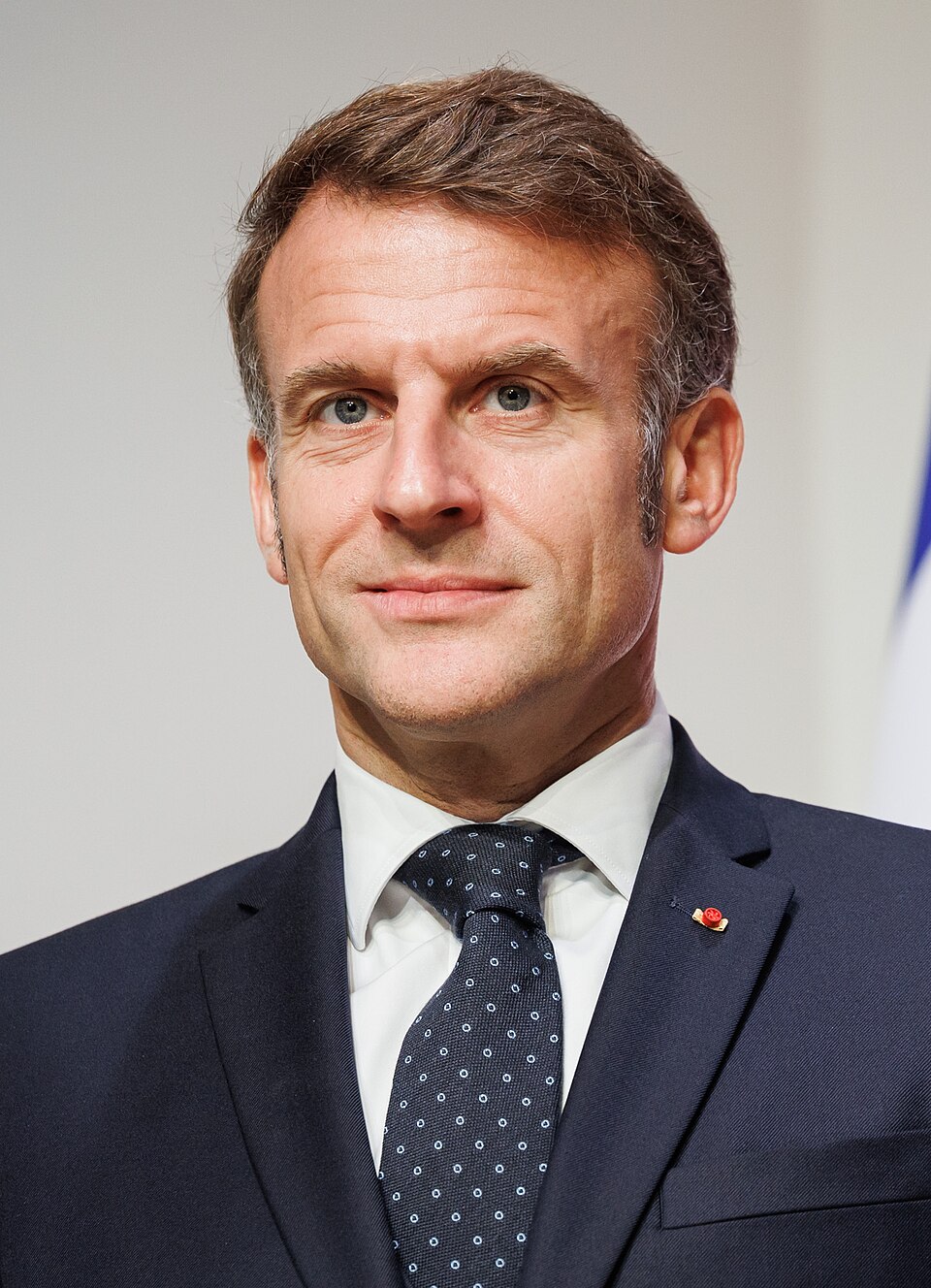
Macron Urges Calm After Activist's Fatal Beating Ignites French Political Tensions
In a deeply troubling incident that has sent shockwaves across France, President Emmanuel Macron has issued a fervent plea for calm and restraint following the tragic death of a young activist. The 23-year-old, identified only as Quentin, succumbed to injuries sustained during a violent beating, an event that has swiftly escalated into a significant political flashpoint, intensifying already fraught relations between the nation's far-right and hard-left factions. This tragedy not only highlights the volatile nature of contemporary French political discourse but also poses a considerable challenge to national unity ahead of crucial future elections.
The incident occurred on a Thursday evening outside a conference in Lyon, where Rima Hassan, a prominent far-left member of the European Parliament, was speaking. Quentin, who was reportedly present to assist in the protection of members from the anti-immigration feminist association Nemesis, fell into a coma after being violently assaulted. His death on Saturday has sparked immediate calls for justice from across the political spectrum, with President Macron quickly echoing these demands, emphasizing the imperative for a thorough investigation and the prosecution of those responsible. The president's intervention underscores the gravity of the situation, as Macron demands justice as investigation begins into fatal French beating, aiming to prevent further escalation in an already tense political climate.
The Tragic Incident and Immediate Aftermath
Details emerging from the investigation paint a grim picture. Quentin was found with severe injuries, leading to his hospitalization in Lyon before his eventual passing. According to Nemesis, the group he was affiliated with, Quentin was part of a security detail ensuring the safety of their activists who were protesting Hassan's appearance at the Sciences Po university branch. The collective asserts that their demonstration was a response to Hassan's outspoken criticism of Israel, framing the incident within a broader ideological conflict.
Lyon prosecutors have promptly opened an investigation into suspected aggravated manslaughter, a serious charge reflecting the violent nature of the attack. However, as of now, the perpetrators remain unidentified, adding to the public's concern and fueling speculation. The family's lawyer has indicated that Quentin appeared to have been ambushed by "organised and trained individuals, vastly superior in number and armed, some with their faces masked." This description points towards a pre-meditated, brutal assault, further inflaming political discourse and prompting calls from various groups, including Nemesis, to identify and hold accountable members of a local anti-fascist association they claim were behind the killing.
Macron's Urgent Call for Unity and Justice
Responding to the burgeoning crisis, President Emmanuel Macron used his platform on X (formerly Twitter) to deliver a powerful message of de-escalation. "It is essential that the perpetrators of this ignominy be prosecuted, brought to justice and convicted," Macron stated, adding, "Hatred that kills has no place among us. I call for calm, restraint and respect." His words reflect a palpable concern not just for justice for Quentin, but also for the very fabric of French society, which appears increasingly fractured by political animosity. The phrase "hatred that kills has no place" resonates deeply, serving as a reminder of the potential consequences when political differences devolve into physical violence.
Macron’s appeal is a direct response to the wave of mutual recriminations that immediately followed the activist's death. As a leader, his role is often to stabilize and unify the nation during times of crisis. By unequivocally condemning the violence and demanding due process, he attempts to guide public sentiment away from vengeance and towards a reliance on the legal system. This strategic intervention highlights the weight of the presidency in steering national discourse during moments of high tension, seeking to uphold democratic values even when faced with extreme ideological divisions.
Deepening Political Fault Lines Ahead of 2027
The tragic death of Quentin has immediately intensified the already fiery political landscape, particularly between France's far-right and hard-left parties, both of whom are strategically positioning themselves for the 2027 presidential elections. This incident serves as a stark reminder of the underlying volatility that defines French politics today, where ideological clashes can quickly spill over into real-world violence.
Politicians were quick to weigh in, further illustrating the partisan divide:
- Bruno Retailleau, head of the conservative Republicans party and a declared 2027 presidential candidate, swiftly laid blame at the feet of the far-left, accusing them of fostering an environment conducive to such violence.
- Far-right National Rally (RN) heavyweight Marine Le Pen, a three-time presidential candidate eyeing another run in 2027, vociferously demanded that the "barbarians responsible for this lynching" be brought to justice "with the utmost severity." Her strong language reflects the RN's strategy to appeal to voters concerned about law and order and perceived radicalism from the left.
- In response, Jean-Luc Mélenchon, head of the far-left France Unbowed (LFI) party (of which Rima Hassan is a member), claimed that some of his party's local offices had been "attacked" following statements by Retailleau and Le Pen, though he provided no specific details. This counter-accusation illustrates the dangerous cycle of blame and reprisal that can quickly take hold in such politically charged environments.
This rapid exchange of accusations and counter-accusations underscores how easily tragic events are co-opted for political gain, further entrenching divisions rather than fostering dialogue. The incident has become a rallying cry for both extremes, each using it to demonize the other and galvanize their respective bases. For a deeper dive into these escalating tensions, readers might find French Activist's Death Sparks Far-Right, Far-Left Clash Ahead of 2027 Vote particularly insightful.
Navigating Polarization: A Call for Responsible Discourse
The death of Quentin serves as a grim warning about the consequences of unchecked political polarization. In an era where information spreads rapidly and often without nuance, the temptation to assign immediate blame and fuel partisan narratives is strong. However, leaders and citizens alike have a responsibility to foster a political environment where robust debate does not descend into hatred and violence.
For individuals, cultivating a more respectful political discourse means:
- Prioritizing Factual Information: Before reacting or sharing, verify information from credible sources.
- Practicing Empathy: Try to understand the perspectives of those with differing views, even if you disagree.
- Condemning Violence Unconditionally: Violence has no place in democratic debate, regardless of the victim's or perpetrator's political affiliation.
- Supporting Due Process: Allow legal investigations to run their course, resisting the urge for immediate political conviction.
- Engaging Respectfully: Participate in discussions with the aim of understanding and finding common ground, rather than merely scoring political points.
For political leaders, the challenge is even greater. They must condemn all forms of political violence, avoid inflammatory rhetoric that could incite further aggression, and actively work to bridge divides. President Macron's call for calm and restraint, while a necessary first step, must be accompanied by sustained efforts from all political actors to cool the temperature of public debate.
Conclusion
The fatal beating of Quentin is a profound tragedy that has laid bare the deep political fault lines running through France. President Emmanuel Macron's urgent plea for calm, restraint, and justice underscores the gravity of the situation and the immediate need to de-escalate tensions. As investigations continue into this heinous act, the incident serves as a stark reminder of the fragile nature of social cohesion when political discourse becomes toxic. For the future of French democracy, it is imperative that all stakeholders – from political leaders to ordinary citizens – heed Macron's call, prioritizing respect, due process, and a shared commitment to preventing hatred from ever again leading to such a devastating loss of life.