Macron Demands Justice as Investigation Begins into Fatal French Beating
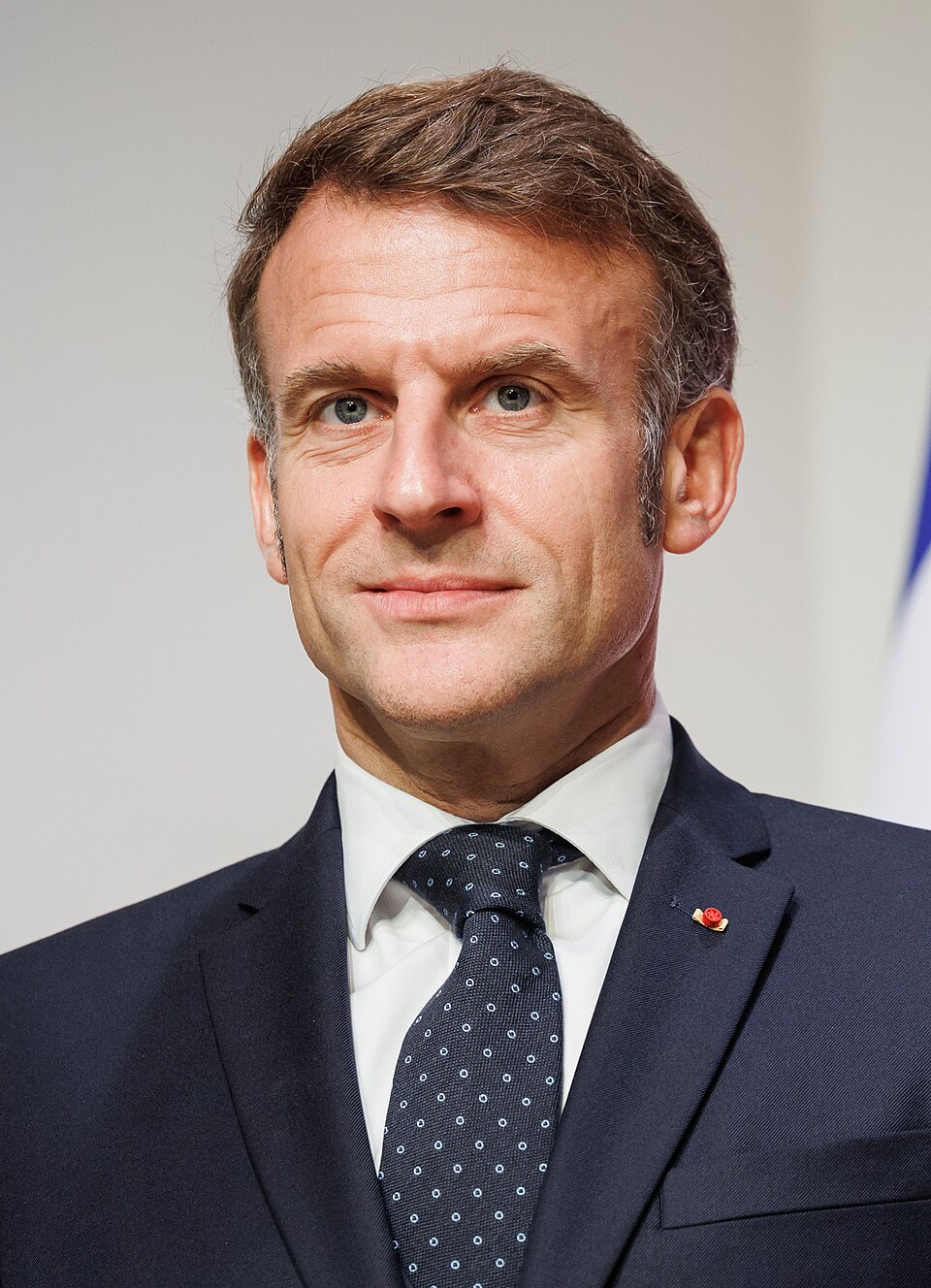
The political landscape of France has been rocked by the tragic death of a 23-year-old activist, an incident that has swiftly escalated into a national flashpoint, igniting a fierce debate across the political spectrum. In the wake of this deeply concerning event, French President Emmanuel Macron has stepped forward to unequivocally demand justice, while simultaneously issuing a crucial call for calm and restraint. His powerful message underscores the gravity of the situation, urging the nation to uphold its values in the face of rising tensions.
The incident, which saw a young man identified only as Quentin fatally beaten, has triggered an outpouring of grief, anger, and immediate political maneuvering. As the investigation into aggravated manslaughter begins, the pressure mounts on authorities to identify and prosecute those responsible. President Macron's intervention aims to navigate the delicate balance between ensuring accountability and preventing further societal division at a time when political rhetoric is already highly charged.
The Tragic Incident: A Catalyst for Concern
The sequence of events leading to Quentin's death unfolded with alarming speed, transforming a local protest into a national tragedy. On a recent Thursday, the 23-year-old activist fell into a coma after being violently beaten outside a conference in Lyon. The event featured Rima Hassan, a far-left member of the European Parliament, and had attracted counter-protests. Quentin, according to statements from the anti-immigration feminist association Nemesis, was present to help protect its members who were demonstrating against Hassan's appearance.
The severity of the attack was such that Quentin succumbed to his injuries on Saturday, plunging his family and supporters into profound sorrow. The Lyon prosecutor's office promptly opened an investigation for aggravated manslaughter, signaling the serious nature of the crime. However, a significant challenge remains: the perpetrators have yet to be identified. Eyewitness accounts and initial reports suggest the attack may have been an ambush by "organised and trained individuals, vastly superior in number and armed," some with masked faces, as described by the family's lawyer. This detail suggests a premeditated act of violence, raising even more serious questions about the nature of political activism and protest in France.
Macron's Stern Call for Justice and Unity
As news of Quentin's death spread, alongside a wave of mutual recriminations between political factions, President Emmanuel Macron swiftly utilized his platform to address the nation. Late on Saturday, he echoed earlier calls for justice, emphasizing the imperative to hold those responsible accountable. On X (formerly Twitter), Macron's message was clear and uncompromising: "It is
essential that the perpetrators of this ignominy be prosecuted, brought to justice and convicted. Hatred that kills has no place among us."
Crucially, in the same breath,
Macron urges calm, restraint, and respect from all citizens. His statement is a powerful reminder that while the pursuit of justice is paramount, it must not pave the way for further violence or societal breakdown. The president’s plea highlights the delicate tightrope walk any leader faces when confronted with such a polarizing event – ensuring the rule of law while simultaneously seeking to de-escalate simmering tensions. His intervention is not just about condemning violence; it’s about appealing to the better angels of French nature, urging unity and a commitment to democratic processes even amidst deep disagreements. For a deeper dive into the president's response and its immediate impact, you can read more here:
Macron Urges Calm After Activist's Fatal Beating Ignites French Political Tensions.
Political Fault Lines Deepen: A Nation Divided
The tragic death of Quentin has immediately intensified the already palpable political tensions between France's far-right and hard-left, both of whom are already looking towards the 2027 presidential elections. The incident served as a stark illustration of how quickly tragic events can be weaponized in the political arena, deepening existing divides.
Leading figures from across the political spectrum wasted no time in weighing in, often with accusatory tones. Bruno Retailleau, head of the conservative Republicans party and a declared 2027 presidential candidate, pointed fingers directly at the far-left, suggesting their rhetoric contributed to the climate of violence. Conversely, far-right heavyweight Marine Le Pen, a three-time presidential candidate, demanded that the "barbarians responsible for this lynching" be brought to justice "with the utmost severity." These statements, while condemning the violence, also served to politicize the tragedy, framing it within existing ideological battles.
Jean-Luc Mélenchon, head of the far-left France Unbowed (LFI) of which Rima Hassan is a member, reported that some of his party's local offices had been "attacked" following statements by Retailleau and Le Pen. While he did not provide specific details, his claim underscores the rapid escalation of rhetoric into real-world antagonism. This immediate scramble to assign blame rather than universally mourn a young life lost highlights the profound ideological chasms that characterize contemporary French politics. The incident threatens to further polarize an already fractured society, posing significant challenges to national cohesion. For an in-depth look at how this event is shaping the pre-election climate, explore:
French Activist's Death Sparks Far-Right, Far-Left Clash Ahead of 2027 Vote.
The Broader Context: Political Violence and Social Cohesion
Beyond the immediate political fallout, Quentin's death prompts a critical examination of the broader context of political violence and its impact on social cohesion in France. This incident is not an isolated occurrence but rather a stark manifestation of growing polarization and radicalization witnessed across various political landscapes.
France, with its rich history of robust political debate and passionate protest, has always grappled with the boundaries of permissible discourse. However, the rise of social media and the rapid dissemination of information – and misinformation – have amplified these tensions, often creating echo chambers where extremist views can flourish unchecked. The anonymity afforded by online platforms can embolden individuals, leading to a dangerous erosion of civil discourse and, in tragic cases like this, spill over into physical violence.
Understanding the dynamics at play:
- Role of Rhetoric: Inflammatory language from political leaders and media personalities can inadvertently sanction or even encourage aggressive behavior among their supporters.
- Polarization: The increasing divide between ideological camps makes compromise difficult and fosters an "us vs. them" mentality, where opponents are dehumanized.
- Social Media's Impact: Platforms can accelerate the spread of hate speech and calls to action, bypassing traditional gatekeepers and fostering rapid mobilization of groups, both peaceful and violent.
- Rule of Law: In moments of high tension, it is crucial that all parties respect the judicial process. Allowing investigations to proceed without political interference is vital for maintaining trust in democratic institutions.
To uphold democratic values and prevent similar tragedies, it becomes imperative for all political actors to reflect on the potential consequences of their words and actions. Responsible leadership demands not only condemning violence but actively promoting dialogue, mutual respect, and a commitment to peaceful means of political expression. Citizens too have a role in demanding accountability from their leaders and refusing to partake in or condone hateful rhetoric.
Navigating the Aftermath: Challenges for French Society
As the investigation into Quentin’s death progresses, French society faces a profound challenge: how to achieve justice for the victim while simultaneously healing the deep wounds exposed by this tragedy. The initial findings from the prosecutor will be critical, as will the eventual arrests and prosecution of those responsible. The integrity and transparency of this process will be essential for restoring public trust and demonstrating that violence, particularly politically motivated violence, will not be tolerated.
The incident underscores the urgent need for a collective reassessment of political discourse in France. Leaders from all sides must heed President Macron's call for calm and restraint, shifting away from aggressive confrontation towards constructive dialogue. This will require a concerted effort to foster an environment where disagreements can be aired without resorting to personal attacks or, worse, physical violence. Moreover, there's an opportunity for civil society organizations and educational institutions to play a vital role in promoting civic education, critical thinking, and empathy among young people, preparing them for responsible engagement in a diverse and often fractious political landscape. The path forward is arduous, demanding both accountability for the past and a renewed commitment to a more respectful and unified future for France.
Conclusion
The fatal beating of Quentin serves as a stark and tragic reminder of the fragility of social cohesion when political divisions deepen. President Emmanuel Macron's dual demand for justice and his unwavering call for calm and restraint resonate deeply at a time when the nation grapples with grief and burgeoning anger. As the investigation continues, the focus must remain on ensuring that the perpetrators are brought to justice through due process, without allowing political opportunism to further fracture the country. Ultimately, the future stability of France hinges on its ability to transcend partisan divides, embrace peaceful dialogue, and collectively reject hatred that kills, ensuring that such a tragedy is never repeated.